The aroma of freshly prepared Goan delicacies, lively music, and laughter filled the air as families and visitors gathered at the Comedy and Cuisine Festival. While the event celebrated food, entertainment, and community, its true purpose was far deeper: empowering women and creating opportunities for those rebuilding their lives.
Organized by Project Hope of Caritas Goa with the support of the Corporation of the City of Panaji (CCP), the three-day festival transformed Garcia De Orta Garden, Panaji, into a vibrant platform for entrepreneurship, culture, and social impact.
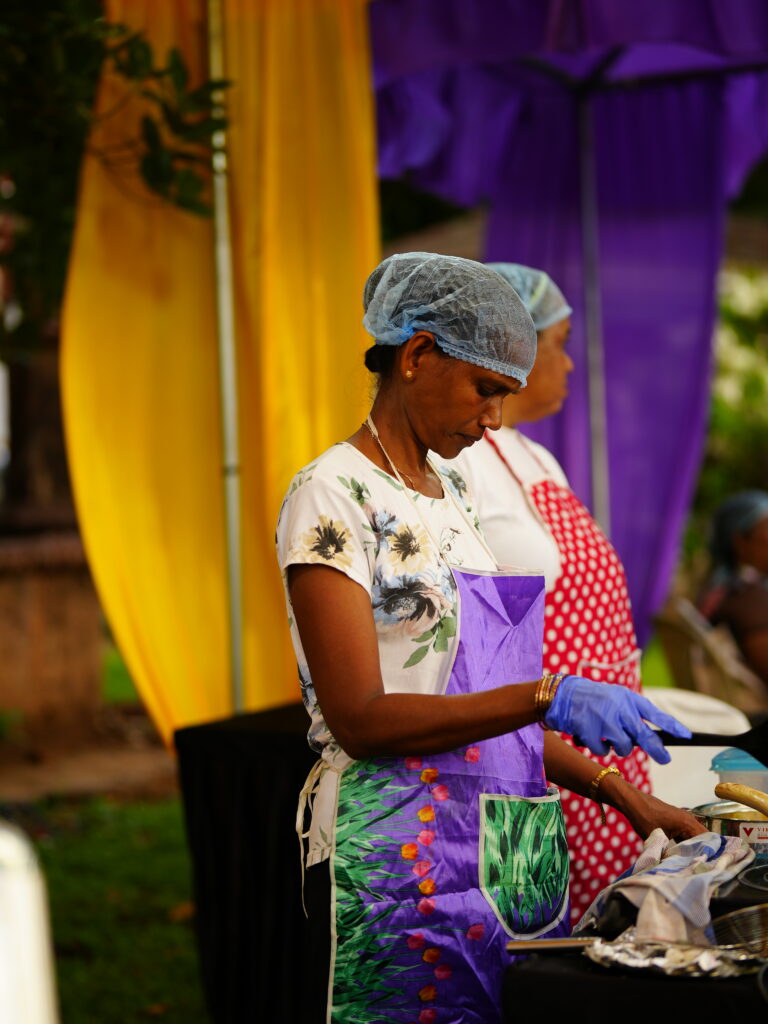
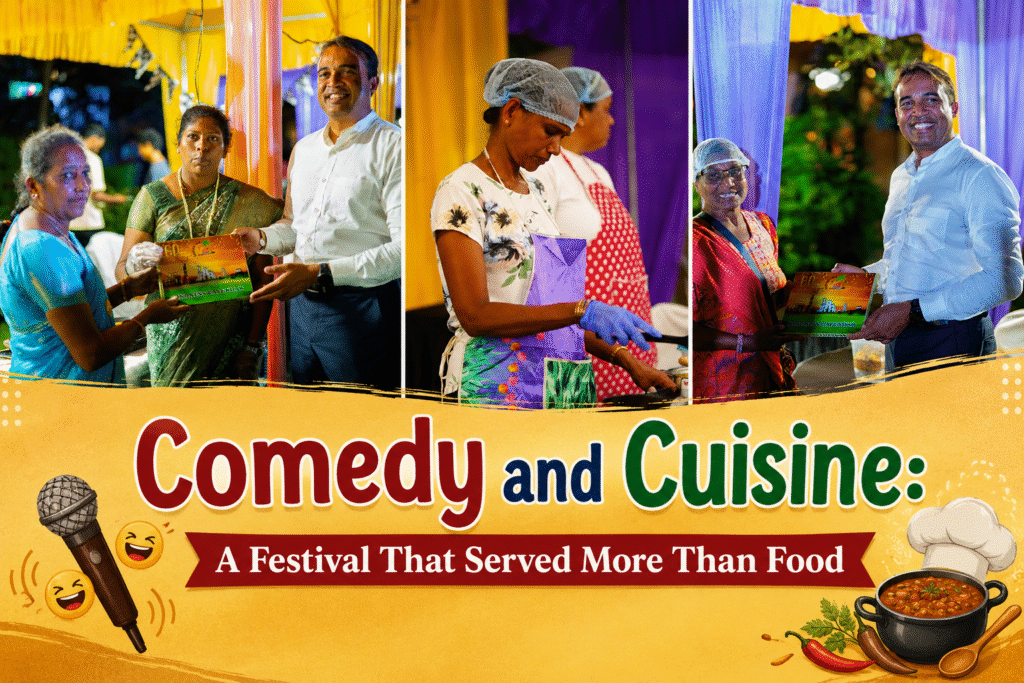
What made the festival unique was that it was powered almost entirely by women. Every food stall was managed by a woman entrepreneur, the musical performances featured women artists, and even the event’s emcee was a woman. The festival became a celebration of women’s resilience, talent, and enterprise.
Visitors enjoyed an array of authentic Goan dishes, including sausage bread, sorpotel bread, chicken keema, beef sukhem, ross omelette, prawn rissois, croquettes, and chicken samosas. Traditional sweets such as serradura, steamed modak, mango saatt, peanut poli, and Goan baathk added a touch of nostalgia, while refreshing fruit juices completed the culinary experience.
The opening evening featured singer and musician Evane Picardo, whose soothing ukulele melodies created a warm atmosphere. Laughter soon followed with mimicry performances by Saidutt Kamat. The festival was also honoured by the visit of Panaji Mayor Mr. Rohit Monserrate, who interacted with vendors and encouraged their entrepreneurial efforts. Each participating woman received a Kindness Calendar from Caritas Goa as a token of appreciation.
On the second day, singer and musician Nikita Machado captivated audiences with her soulful voice, while stand-up comedian Navin Noronha entertained the crowd with his relatable humour. The final day featured a memorable performance by singer Evola Couto, who delighted visitors with beloved Konkani songs. Games, spot-prize contests, and a popular coconut-breaking competition further enhanced the festive spirit.
Beyond the entertainment, the festival’s heart lay with the women entrepreneurs, many of whom came from vulnerable and disadvantaged backgrounds. For them, the event was more than a marketplace, it was an opportunity to earn an income, build confidence, gain visibility, and connect directly with customers.
The overwhelming public response demonstrated the power of community support in sustaining livelihood initiatives. Every purchase made at a stall contributed to someone’s journey towards self-reliance and dignity.
As the festival concluded, it left behind a powerful message: while food and laughter brought people together, empowerment remained the true purpose of the event. By celebrating local culture, talent, and entrepreneurship, the Comedy and Cuisine Festival served not only delicious cuisine but also hope, confidence, and opportunity for the women at its heart.